Key Takeaways
- Liability of establishments for incidents in swimming areas
- Significance of hotel rules and regulations
- Regulations affecting safety in hotel swimming facilities
- Necessity of informative displays and alerts
- Examination of drowning cases in hospitality venues
- Accountability of visitors and awareness of risks
- Economic consequences of drowning events
Are Colorado Hotels Responsible For Pool Drownings On Their Property? | Understanding Liability in Hotel Pools
Liability for drownings and near-drowning incidents at hotels is a complex issue that raises critical questions about safety and responsibility. Are Colorado hotels responsible for pool drownings on their property? This inquiry often hinges on various factors including the maintenance of public pools, the presence of lifeguards, and adherence to safety regulations. Guests at hotels expect a certain level of oversight and safety measures in both indoor and outdoor swimming pools. The responsibility of hotel owners extends beyond simply providing facilities; it includes implementing effective safety protocols to prevent accidents. Understanding the legal obligations hotels have regarding their swimming pools is essential for both operators and guests to ensure a safe swimming experience.
Are Colorado Hotels Responsible for Pool Drownings on Their Property? | Legal Responsibilities of Hotel Owners
Hotel owners in Colorado, including large hotel chains and individual resorts, bear legal responsibilities for ensuring the safety of their swimming pools. An incident at a property, such as the MGM Grand Hotel or a resort in Colorado Springs, can raise questions about whether proper safety measures were implemented. These responsibilities often include having proper safety signage, maintaining equipment, and employing trained lifeguards to monitor pool areas. Are Colorado Hotels Responsible for Pool Drownings on Their Property? The answer hinges on how well these establishments adhere to safety guidelines and local regulations.
The legal liabilities surrounding pool drownings can vary significantly based on each case's specifics. In many instances, courts evaluate the actions taken by hotels to mitigate risks, including their staffing decisions and training procedures. A hotel that fails to provide adequate lifeguard coverage or neglects to enforce pool safety rules could be found liable for incidents that occur on its property. Understanding whether a hotel or resort is responsible in the event of a drowning involves examining their protocols and compliance with existing regulations. Are Colorado Hotels Responsible for Pool Drownings on Their Property? This question remains central to ongoing discussions about guest safety and liability in the hospitality industry.
Common Contributing Factors to Pool Drownings
Numerous factors contribute to the risk of pool drownings in hotels and condominiums. Inadequate supervision, particularly in the absence of a lifeguard, can significantly increase the chances of accidents. Unattended pools may pose a hazard, as guests, especially children, may not be aware of their swimming capabilities or the dangers of deep water. Such conditions may lead to premises liability issues for hotel owners, raising questions about whether they are responsible for pool drownings on their property.
Environmental considerations also play a crucial role in swimming pool safety. Poor maintenance of pool facilities can create hazardous conditions that contribute to drowning incidents. Factors like murky water, malfunctioning pool alarms, or obstructed visibility can lead to tragic consequences. Understanding the relationship between these hazards and potential damages is essential in evaluating the responsibility of hotels, as they are tasked with providing a safe property for their guests. Are Colorado Hotels Responsible for Pool Drownings on Their Property? This question remains at the forefront of discussions surrounding hotel liability and guest safety.
The Role of Hotel Policies and Procedures
Hotel policies and procedures play a crucial role in addressing the question, "Are Colorado Hotels Responsible for Pool Drownings on Their Property?" Hotels located in Denver County must establish comprehensive safety measures to minimize the risk of pool drownings and hotel pool accidents. Implementing safety barriers, clear guidelines for guest behavior, and emergency response protocols can significantly enhance the safety of their premises. These policies help protect both the guests and the hotel from potential legal repercussions in the event of a pool drowning. Understanding the legal responsibilities associated with pool safety is vital for hotel management and can influence their overall liability in cases of tragic incidents.
Safety Measures Implemented by Colorado Hotels
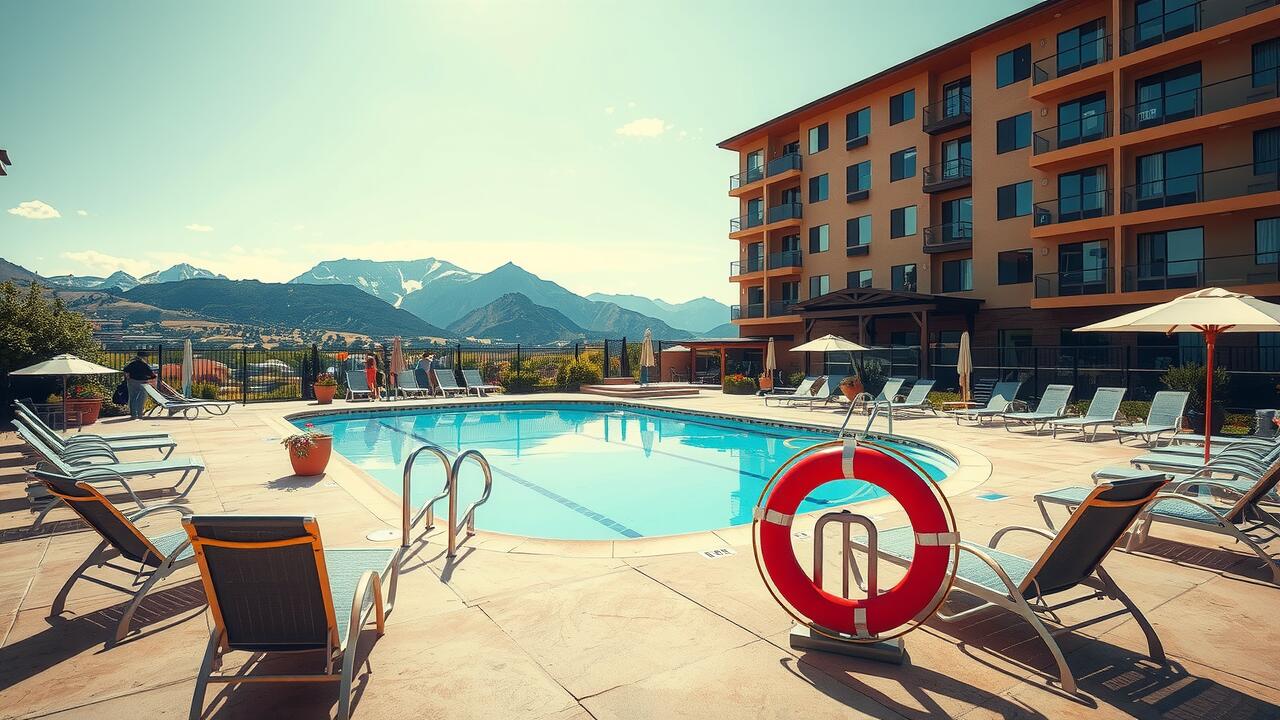
Colorado hotels take safety seriously, especially regarding their hotel pools. Many implement strict protocols and procedures to prevent incidents related to swimming pool drowning. Regular maintenance and inspections of hotel swimming pools are crucial. These hotels often utilize advanced safety equipment, such as life rings and emergency flotation devices, ensuring swift assistance can be provided during emergencies. By closely adhering to established safety guidelines, these establishments aim to minimize hotel pool injuries and reduce the risk of litigation involving pool drowning lawyers.
Staff training is another vital component of safety measures in Colorado hotels. Employees undergo rigorous training programs focused on pool safety, emergency response, and guest assistance, preparing them to handle potential crises efficiently. Clear emergency action plans are developed to direct staff in case of a swimming pool drowning. These measures reflect the commitment of colorado hotels to ensure the well-being of their guests, fostering a secure environment within hotel swimming pools. This focus not only addresses the question, "Are Colorado Hotels Responsible for Pool Drownings on Their Property?" but also emphasizes the proactive steps taken to protect visitors.
Staff Training and Preparedness
Proper training for hotel staff is essential to mitigate risks associated with luxurious hotel pools. A thorough understanding of the aforementioned pool safety measures can help staff effectively manage the pool facilities and respond to emergencies. Training programs must include protocols specifically addressing drowning cases, ensuring that employees are prepared for any situation that may arise in complex pool facilities. Ensuring comprehensive pool safety requires ongoing education and drills to keep staff skills sharp, thereby minimizing the likelihood of tragic incidents.
Hotel personnel must be equipped with the knowledge needed to enforce safety rules and assist guests in using swimming pool facilities responsibly. Regular workshops and updates on best practices for pool safety can enhance staff preparedness. Understanding the legal implications surrounding the question, "Are Colorado Hotels Responsible for Pool Drownings on Their Property?" reinforces the importance of employee vigilance. Proper pool safety training ultimately fosters a secure environment for guests, reducing the risk of drownings and potential liability for the hotel.
State Laws Governing Hotel Pool Safety
Understanding the state laws governing pool safety is crucial for evaluating the responsibility of Colorado hotels in drowning incidents. These regulations set forth guidelines aiming to minimize pool accidents and enhance guest safety. Hotels must adhere to protocols that address near-drowning cases and other pool-related emergencies. A previous drowning incident can significantly impact a hotel's liability, emphasizing the importance of compliance with state mandates. Establishing clear responsibilities helps clarify whether Colorado hotels are responsible for pool drownings on their property. Ensuring proper safety measures can mitigate risks associated with pool-related incidents and significantly improve overall pool safety.
- Hotels must comply with local and state pool safety regulations.
- Regular inspections of pool facilities are required to maintain safety standards.
- Lifeguards may be mandated at certain pools depending on state laws and pool size.
- Clear signage regarding pool depth, maximum occupancy, and emergency procedures must be displayed.
- Safety equipment, such as life rings and first aid kits, should be easily accessible.
- Staff training on emergency response and CPR is essential for all hotel personnel.
- Regular maintenance and cleaning of pool areas are critical to prevent accidents.
Overview of Colorado’s Pool Safety Regulations
Colorado’s pool safety regulations impose a duty on hotel property owners to ensure the safety of guests and pool-goers. These regulations are designed to minimize the risk of drowning incidents and near-drowning incidents within hotel pools. Are Colorado Hotels Responsible for Pool Drownings on Their Property? The answer often hinges on whether hotel owners have taken the necessary precautions to implement effective pool safety measures. This includes maintaining proper fencing, ensuring lifeguards are present, and providing clear signage for pool depth.
Denver-area hotels must adhere to specific guidelines that protect both children and adults while using their pool facilities. Compliance with these regulations not only contributes to guest safety but also affects the legal liability of hotels in the event of accidents. Colorado premises liability laws underscore the responsibility hotel property owners have in preventing incidents and addressing safety risks within the pool area. By prioritizing these safety protocols, hotels can significantly reduce the likelihood of tragic drowning events.
Recent Legal Cases Involving Hotels and Drowning Incidents
Legal cases involving drowning incidents at hotels often highlight the complex issue of pool negligence. Courts typically assess whether hotel owners followed appropriate pool safety strategies to protect their guests. Recent cases have demonstrated that essential pool safety measures, such as lifeguard presence and adequate supervision, play a significant role in determining liability. Are Colorado Hotels Responsible for Pool Drownings on Their Property? This question becomes pivotal as victims of near-fatal drownings seek justice for their experiences.
In many instances, all Colorado property owners have a legal duty to keep their premises safe for visitors. This includes ensuring that pool grounds are properly maintained and free from hazards. Legal actions against hotels frequently center on whether the management took sufficient steps to prevent drowning accidents. The outcomes of these cases can significantly impact how hotels approach their pool safety protocols and guest responsibilities in the future.
The Importance of Signage and Warnings
Signage plays a crucial role in enhancing safety at hotel pools, where the potential for drowning accidents is a significant concern. Are Colorado Hotels Responsible for Pool Drownings on Their Property? This question often hinges on whether hotels have a duty of care to ensure the safety of their guests through proper warnings. Comprehensive and clear signage is essential for informing guests about the risks associated with pool activities, particularly in both public swimming pools and private pool settings. A lack of adequate warnings can lead to near-drowning accident claims, putting hotels at risk for liability in drowning incidents. Ensuring that warning signs are visible and informative not only protects guests but also safeguards hotels from potential legal repercussions.
Adequate Signage for Pool Safety
Clear and visible signage plays a crucial role in ensuring the safety of guests at hotel swimming pools. Many hotels face scrutiny regarding their liability for pool-related injuries, emphasizing the importance of proper warnings. Public pool operators are required to provide adequate information to patrons, reducing the likelihood of a swimming pool accident or near-drowning accident. Are Colorado Hotels Responsible for Pool Drownings on Their Property? This question often hinges on whether appropriate signage is present and easily understood.
Effective signage can help mitigate claims of hotel negligence in the event of an accident. Clear instructions on pool rules, depth markers, and warnings about potential hazards inform guests about safe swimming practices. A lack of appropriate signage may increase the risk of incidents, making it essential for hotels to prioritize these measures. Ensuring that guests are aware of the risks associated with swimming pools can significantly reduce the occurrence of pool-related injuries, directly impacting a hotel's liability regarding drowning incidents.
The Impact of Warning Labels on Guest Liability
Warning labels play a crucial role in defining liability when it comes to pool accidents at hotels. Hotel owners must ensure that their properties feature clear and effective signage regarding safety rules and potential hazards. For pool users, understanding these warnings is essential in assessing their own responsibility in the event of an accident. Legal experts, including pool accident lawyers, often reference such signage in determining whether proper precautions were communicated to guests. This can raise questions about whether hotel guests acted negligently or if the hotel failed to maintain a safe environment.
A well-maintained pool environment and effective pool supervision are vital in reducing the likelihood of incidents. Hotel owners can protect themselves against liability claims by placing adequate warning labels that inform guests of potential dangers. These measures not only create a safer atmosphere for hotel guests but also influence court decisions when evaluating whether hotels are responsible for pool drownings. In the context of private pools, the standards for signage often differ, highlighting the importance of comprehensive policies in ensuring safety across the same hotel property.
Investigating Drowning Incidents at Hotels
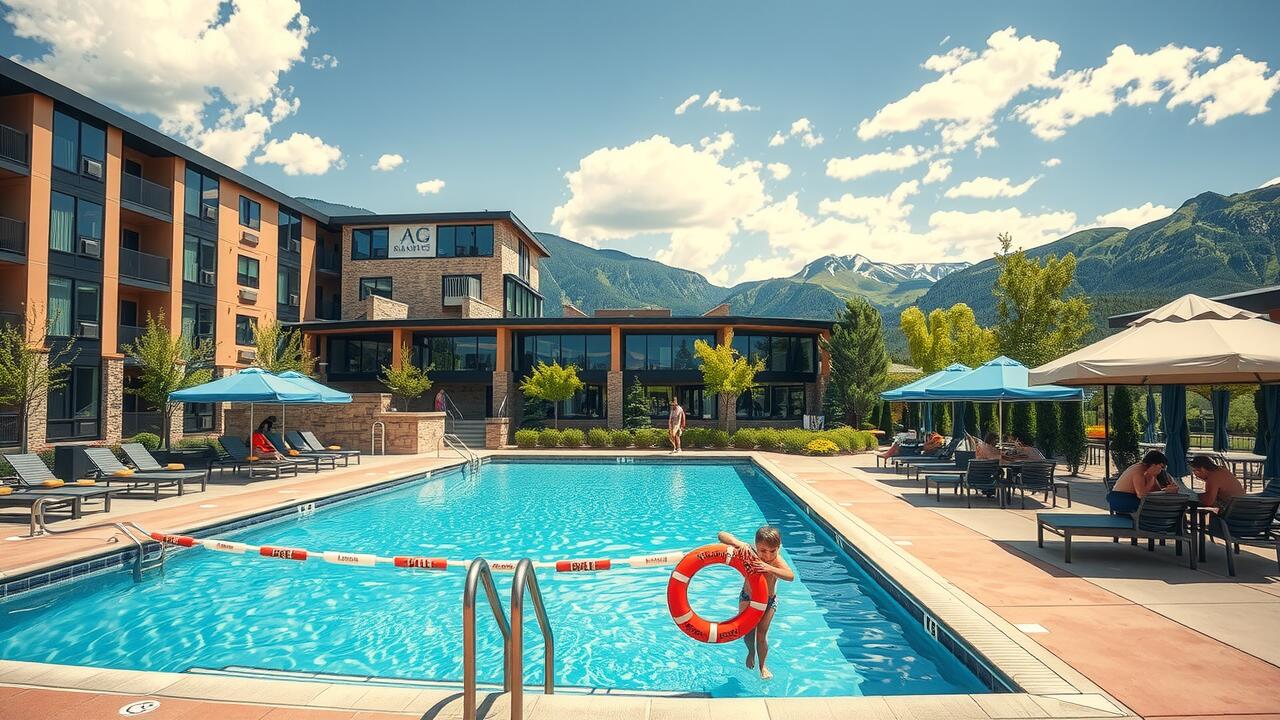
The investigation into an unfortunate pool accident at a grand hotel involves examining various factors, including the specific pool layouts and the pool depth. It is crucial to determine the role of the hotel management and the hotel property owner in ensuring safety measures are in place. For large hotel chains, the scrutiny often extends to whether they adhered to safety protocols effectively. Questions arise about whether these hotels have provided adequate training for staff and whether they have established sufficient barriers or signage to inform guests. Ultimately, these investigations contribute to the broader conversation about whether Colorado hotels are responsible for pool drownings on their property, emphasizing the need for accountability in ensuring guest safety.
Steps Taken Post-Incident
Post-incident protocols are crucial for evaluating whether Colorado hotels are responsible for pool drownings on their property. Each case often leads to a thorough investigation that examines the hotel's adherence to safety regulations. Hotels must ensure that their swimming pools function effectively, with experienced staff available to address any potential hazards. In situations involving an injury, a pool injury lawyer may become involved to assess if hotel negligence contributed to the drowning. The conclusion reached during these investigations can significantly impact future operational policies and overall pool safety standards.
Implementing immediate changes is vital after a drowning incident. Hotels may enhance safety measures by adopting stricter pool safety protocols to prevent future accidents. An experienced swimming pool encourages guests to enjoy their stay while minimizing risks. Legal actions, such as a drowning accident lawsuit, may lead to increased awareness among hotel owners about their responsibilities. A well-structured response can help maintain guest trust and promote safer environments for swimming pool activities.
Key Questions for Legal Consideration
Determining liability in pool drowning incidents involves several critical questions. Are Colorado Hotels Responsible for Pool Drownings on Their Property? This question rests on the obligations of the hotel staff to maintain safe environments at their accommodations, particularly in adult swimming pools. A pool accident attorney may investigate whether the hotel adequately trained its staff to respond to emergencies and maintained proper safety measures. The role of the pool owner in ensuring a secure space is essential in these cases, as negligence could lead to serious consequences.
Legal considerations also extend to the specific circumstances surrounding each drowning incident. Analyzing factors like the presence of warning signage, lifeguard availability, and emergency protocols is crucial. In Denver premises liability cases, every detail can impact the determination of responsibility. Hotels must ensure they meet all regulations and provide safe facilities for guests. Questions about the actions taken by hotel staff during a fall swimming pool incident can influence the outcome of legal proceedings and highlight the importance of proactive safety measures.
Guest Responsibility and Safety Awareness
Understanding the shared responsibility between hotels and guests is essential in addressing the question, Are Colorado Hotels Responsible for Pool Drownings on Their Property? Guests must remain vigilant while enjoying hotel amenities, particularly around pool areas where hazards may exist. Regular pool maintenance is crucial, ensuring that not only is the water safe but also that pool equipment functions properly. Dangerous pool toys can pose risks, especially if defective pool equipment is present. Hotel staff members play a key role in promoting aquatic safety, providing guidance, and maintaining vigilance. Guests should also consider that hotel owners might carry aquatic liability insurance, adding a layer of protection regarding any incidents that may arise. Emphasizing safety awareness among guests can significantly mitigate risks associated with pool use.
Educating Guests on Pool Safety
Providing guests with essential information about pool safety is crucial for preventing accidents. Hotels in Colorado Springs, such as Hotel Elegante, are tasked with ensuring that guests are aware of the risks associated with swimming. High-risk areas within the pool, such as deep ends or shallow water transitions, should be clearly marked. Aquatic attorneys emphasize the importance of safety education to reduce instances of negligence claims against hotels. Are Colorado Hotels Responsible for Pool Drownings on Their Property? The answer often hinges on how effectively they communicate safety protocols to their guests.
Clear communication about faulty pool equipment is another vital aspect of guest education. Hotels must ensure that guests are informed about any maintenance issues that may pose risks. Without proper warnings or signage, guests may unknowingly put themselves in dangerous situations. Hotel negligence lawyers frequently cite inadequate safety measures in their cases. Colorado accident attorneys highlight the need for hotels, including establishments like the Omaha Hotel, to prioritize guest safety through education and transparency.
Sharing Best Practices for Safe Swimming
Safe swimming practices are essential in preventing incidents in hotel pools, particularly in locations where guests may not be familiar with the aquatic environments. Are Colorado Hotels Responsible for Pool Drownings on Their Property? This question emphasizes the importance of hotels taking proactive measures to protect guests. Effective communication of dangers, such as identifying areas where swimmers may be submerged underwater, can help mitigate risks associated with dangerous attractions. Implementing clear guidelines and posting signage around facilities can enhance safety for all who utilize the pool.
Educating guests on best swimming practices can further reduce the likelihood of accidents. Collaboration with local authorities, such as the Colorado Springs police, may also help raise awareness regarding safety rules. Experienced Denver premises may find that leveraging hotel video cameras can serve dual purposes: monitoring activities and serving as a deterrent for unsafe behaviors. Encouraging guests to follow established protocols can create a safer environment, solidifying the hotel's commitment to pool safety.
Financial Implications of Drowning Incidents
The financial implications of drowning incidents at hotels in Colorado can be significant. Are Colorado Hotels Responsible for Pool Drownings on Their Property? This question often leads to legal scrutiny, especially regarding compliance with colorado laws governing pool safety. Broken pool equipment or inadequate water quality can amplify these unique risks, resulting in liability for hotel owners. Overnight pleasure trips may turn tragic if safety measures are insufficient, leading to costs associated with legal claims and settlements. Such incidents can burden hotels not only financially but also reputationally, as guests weigh the safety of residences they choose for their stays.
Insurance Considerations for Hotels
Hotels face significant financial implications related to potential drownings on their properties. Are Colorado Hotels Responsible for Pool Drownings on Their Property? Liability insurance plays a crucial role in mitigating risks associated with such incidents. Coverage can extend to various liabilities, including pool safety measures, lifeguard services, and other potential hazards that might lead to guests being injured or worse. A premises liability lawsuit can arise if a hotel fails to adequately protect its guests, resulting in serious financial repercussions for the establishment.
Insurers often scrutinize hotel policies and past claims to determine coverage rates and conditions. The presence of safety protocols and emergency response plans can influence the decisions made by insurers regarding coverage. Hotels that prioritize guest safety, such as ensuring trained staff is available for pool supervision and offering adequate signage, are more likely to maintain favorable insurance terms. On the other hand, establishments that neglect these practices may find themselves facing substantial premiums and stringent restrictions, particularly if past incidents, including hotel gym injuries, have occurred on their premises.
Potential Damages and Legal Costs
Drowning incidents at hotel pools can lead to significant financial implications for hotels, particularly in wrongful death cases. As guests look for accountability, the question, "Are Colorado Hotels Responsible for Pool Drownings on Their Property?" frequently arises. In the legal landscape, hotels may face lawsuits that not only cover medical expenses but also compensation for emotional distress. Failure to implement comprehensive safety measures can further complicate their liability, especially if the premises lacked essential safety features.
The costs associated with these incidents can escalate quickly. Legal expenses, settlements, and damages awarded to the aggrieved parties can create a substantial financial burden for hotels. For example, if it is determined that a hotel in Colorado failed to provide adequate safety measures at their pool, they could face hefty fines and damages. This reality serves as a reminder for hotel owners to prioritize pool safety and implement measures that protect guests, thereby reducing their potential liabilities in the event of a tragedy.
- Adequate training for staff on pool safety and emergency procedures
- Regular inspections and maintenance of pool facilities
- Implementation of safety features such as lifeguards and clear signage
- Establishment of a comprehensive incident response plan
- Insurance coverage specifically for liability related to pool activities
- Ongoing staff education and refresher courses regarding safety protocols
- Prompt reporting and documentation of any incidents or near misses
Conclusion
The question "Are Colorado Hotels Responsible for Pool Drownings on Their Property?" highlights the complexities surrounding hotel liability and guest safety. Hotels must demonstrate experienced hotel negligence when maintaining a well-functioning swimming pool, as failure to adhere to stringent safety measures can lead to tragic consequences. Guests often rely on these establishments for a safe environment during their hotel stay, making it crucial for hotels to implement stricter pool safety protocols. A pool injury lawyer may be consulted in the aftermath of a drowning accident lawsuit, particularly if negligence is suspected. As such, ensuring a safe swimming pool environment is essential to preventing a swimming pool injury and protecting both guests and hotel owners.
FAQS
Are Colorado hotels legally responsible for drownings that occur in their pools?
Yes, Colorado hotels can be held liable for drownings in their pools if it can be proven that they failed to meet safety standards, neglected maintenance, or did not adequately supervise the pool area.
What factors contribute to pool drownings at hotels?
Common contributing factors include inadequate supervision, lack of safety equipment, insufficient signage, and failure to follow state regulations regarding pool safety.
What safety measures do Colorado hotels typically implement to prevent pool drownings?
Colorado hotels often implement measures such as life-saving equipment, trained lifeguards, clear signage, regular maintenance checks, and thorough staff training on emergency procedures.
How do hotel policies affect guest safety in pool areas?
Hotel policies establish guidelines for pool usage, including supervision requirements, guest behavior expectations, and emergency response plans, which are critical in preventing accidents.
What recent legal cases have involved hotels and drowning incidents?
Recent cases have highlighted issues such as inadequate supervision, lack of safety measures, or failure to enforce pool rules, leading to legal actions against hotels for negligence.
Are indoor pools at hotels safe and what liability do hotel owners have regarding hotel pool injuries?
Indoor pool safety is a significant concern for hotel owners, as they must implement a robust pool safety strategy to protect guests. If a hotel does not take the necessary precautions to ensure a safe aquatic environment, such as hiring experienced pool staff and maintaining the facility, it may be held responsible for any injuries, including hotel pool injuries. This can fall under premises liability, where the hotel owners are accountable for incidents occurring on their property, including accidents in their indoor or private pools.
What measures can hotel owners take to prevent hotel pool injuries at their aquatic facilities?
Hotel owners can implement several safety measures to prevent hotel pool injuries, including regular lifeguard training, proper signage about pool rules, maintaining the cleanliness and safety of their aquatic facilities, and conducting routine inspections. Additionally, private pool owners and hotel managers should ensure that their hotel doesn’t overlook any safety regulations applicable to such premises liability, especially if they cater to guests from a far-away hotel.
What should guests know about their rights if they experience a hotel pool injury during their stay?
Guests should be aware that if they experience a hotel pool injury during their stay, they may have the right to seek compensation from the hotel. It is important to document the injury and the circumstances surrounding it, as hotels have a responsibility to maintain safe conditions in their pools. Legal advice can help in understanding rights and options regarding hotel pool injury claims.
What legal responsibilities do hotels have regarding pool safety to prevent drownings on their property?
Hotels have a legal responsibility to ensure the safety of all guests at their pools, including implementing proper safety measures and protocols to prevent drownings on their property. This includes having lifeguards present, maintaining clear signage, and ensuring that all equipment is in good working order.
What are the legal implications for hotels if a drowning occurs in their pool?
Hotels can face significant legal implications if a drowning occurs in their pool, including potential liability for negligence and violations of safety regulations. It's crucial for hotel management to implement effective safety measures to mitigate risks and ensure guest safety to avoid legal repercussions.