Discussing the Experience
Sharing the experience with those close to you can provide necessary emotional relief. Talking can help process feelings of fear, anxiety, or trauma. It also serves to reassure loved ones, making them aware of how you felt during the incident. Expressing thoughts and emotions in a safe space often fosters understanding and support, which is essential in the healing process.
Listening to others' experiences with water-related fears can offer perspective and lessen feelings of isolation. Friends or family who have encountered similar situations may provide empathy and relatable insights. These conversations encourage openness, creating a network of support that can significantly contribute to emotional recovery and allow for growth beyond the experience.
Talking to Friends and Family
Sharing your experience with friends and family can provide a vital support system. It offers a safe space to express emotions and thoughts that may linger after such a frightening encounter. Talking about the incident can help in processing feelings of fear or anxiety. Close ones often have personal experiences or insights that can help in finding ways to cope.
Encouragement from loved ones can foster a sense of normalcy and reassurance. This dialogue may also help in identifying any underlying fears related to water. Open discussions can prompt others to share their own experiences, creating a communal understanding. This exchange not only strengthens relationships but also helps in building a collective approach to overcoming fear.
Learning Water Safety Skills
Acquiring essential water safety skills is crucial after a near-drowning incident. These skills not only boost individual confidence but also educate people on how to stay safe in aquatic environments. Simple techniques such as floating, treading water, and effective swimming strokes can make a significant difference. Learning to recognize potential hazards in and around water can also help prevent future accidents.
Numerous classes and resources exist to aid those looking to enhance their water safety knowledge. Local community centers and organizations often offer swimming lessons for various skill levels. Additionally, online tutorials and instructional videos can serve as useful supplements. Engaging with qualified instructors can provide tailored guidance and reinforce essential safety measures, fostering a deeper understanding of water dynamics.
Classes and Resources Available
Various organizations offer classes focused on water safety and swimming skills. Local community centers often schedule courses that range from basic swimming lessons to more advanced safety techniques. These classes provide participants with essential skills that can greatly reduce the risk of accidents in water. Many instructors emphasize practical experience, allowing individuals to gain confidence as they learn how to navigate aquatic environments.
In addition to traditional classes, online resources can serve as valuable tools. Websites dedicated to water safety often provide instructional videos, written guides, and community forums. These resources can help reinforce what is learned in class and encourage continued education. Access to information is crucial for those looking to enhance their understanding of safety measures while enjoying water activities.
Building Confidence in Water
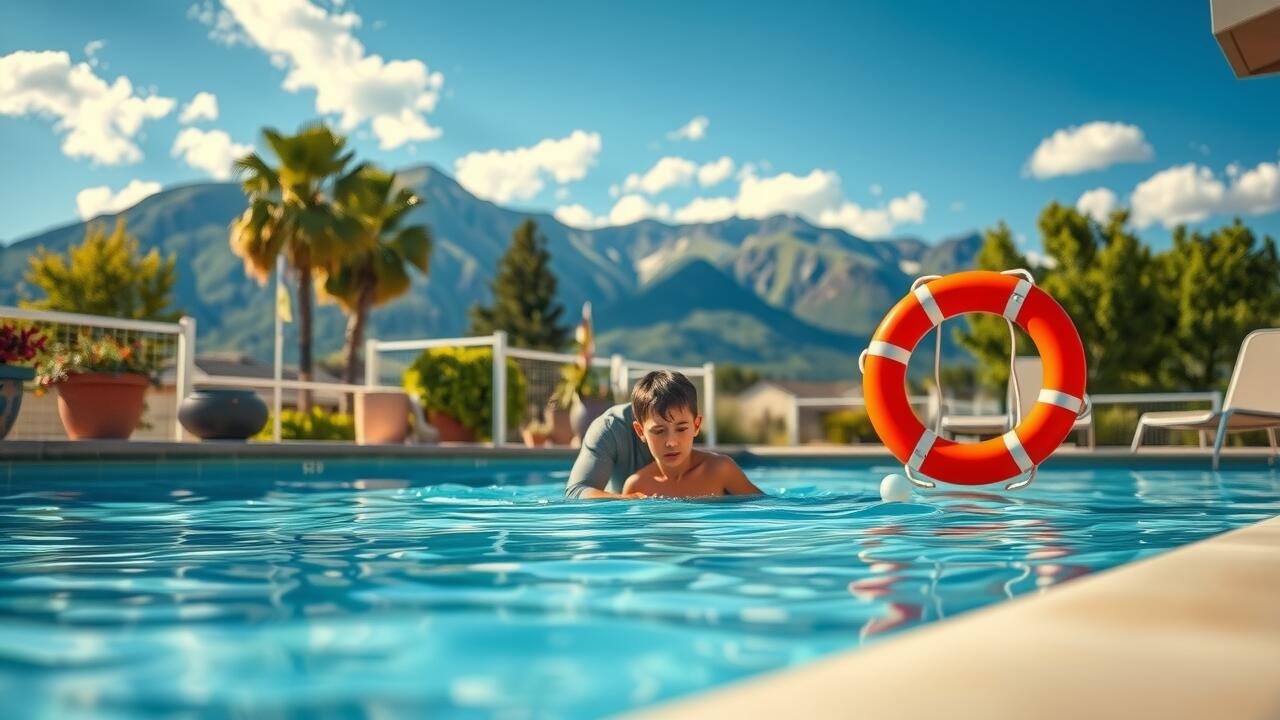
Feeling comfortable in water requires a series of gradual steps. Start by spending time in shallow areas where the water is calm. This controlled environment helps rekindle a sense of safety. Simple activities like splashing water on yourself or floating while holding onto a floating device can enhance your comfort.
As confidence grows, consider moving into deeper water with a trusted friend or instructor. Practicing buoyancy and basic swimming techniques can further solidify your skills. Regular exposure combined with supportive encouragement creates a more positive association with water, making it easier to overcome past fears.
Gradual Exposure Techniques
Reintroducing yourself to water after an incident can be a gradual process. Start with shallow areas where you can stand comfortably. Acquaint yourself with the sensations of being in water without the pressure of deeper depths. Keeping your experience positive is essential. Engaging in fun activities like splashing or playing with floating toys can make the experience enjoyable.
As comfort grows, slowly progress to deeper water while ensuring a trusted friend or instructor is present. Focus on breathing techniques and relaxation to manage any anxiety. Consider setting small, achievable goals, such as walking or floating in the shallow end before attempting to swim. Emphasizing enjoyment will create a healthier relationship with water and foster confidence as you gradually challenge yourself.
FAQS
What should I do immediately after the drowning incident?
It's crucial to seek medical attention, even if you feel fine, as symptoms may not appear right away. Additionally, talk to someone about your experience to begin processing it.
How can I talk to my friends and family about my experience?
Share your feelings and thoughts openly, and let them know what you need from them, whether it’s support, understanding, or simply someone to listen.
What are some important water safety skills I should learn?
Key water safety skills include floating, treading water, and basic swimming techniques. It's also important to understand how to recognize potential hazards in the water.
Where can I find classes to improve my water safety skills?
Look for local community centers, swimming pools, or organizations such as the Red Cross that offer swimming and water safety classes.
How can I gradually regain my confidence in the water?
Start with small steps, such as spending time near water while feeling safe, gradually moving to shallow areas, and practicing breathing techniques before progressing to deeper water.